






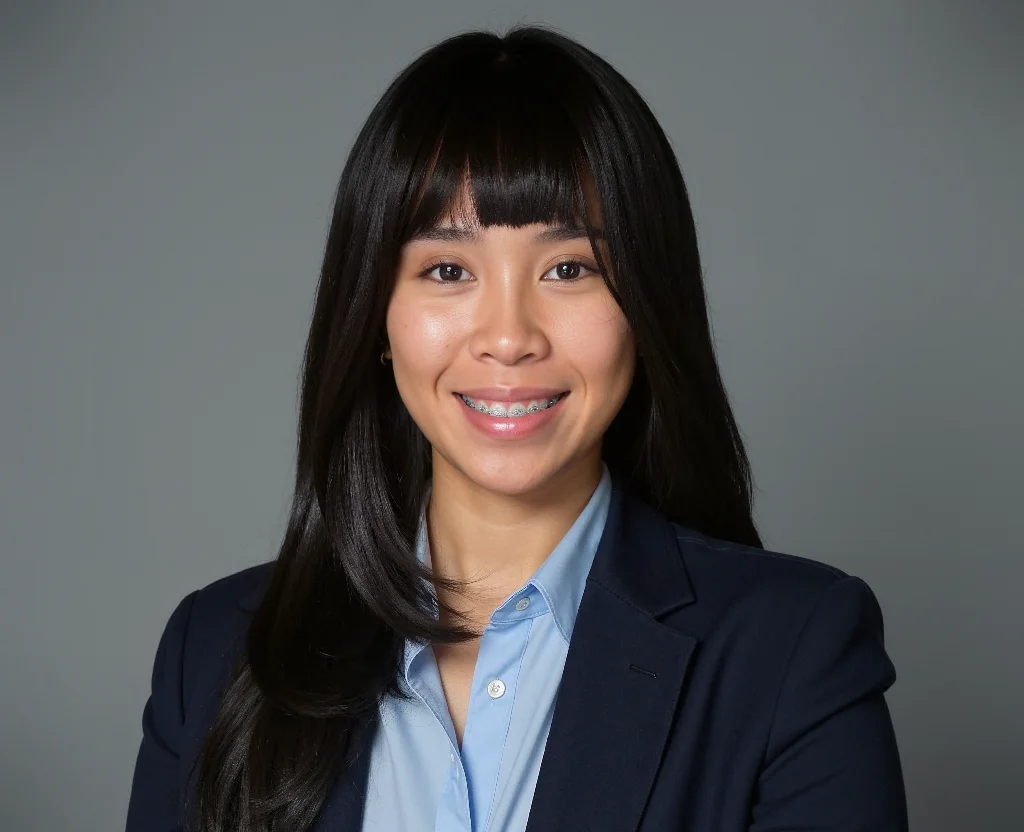
Reginette is a highly organized and dependable professional with extensive remote work experience in client communication, appointment setting, lead management, customer service, and administrative support. A Cum Laude graduate of the University of the Philippines Diliman, she is currently pursuing her Juris Doctor degree at San Beda School of Law.
With approximately seven years of experience in appointment setting and client-facing roles, Reginette has developed strong skills in lead generation, lead qualification, follow-ups, scheduling, CRM and pipeline management, and customer service. Her experience working with U.S.-based clients has strengthened her ability to communicate professionally, manage multiple priorities, and work effectively across different teams and time zones.
Reginette is known for her attention to detail, adaptability, and commitment to consistent follow-through. She enjoys opportunities to combine her professional experience and legal education while contributing to the team and the clients they serve.
Fun Fact: Reginette is a proud mom who enjoys traveling, exploring new places, cooking, and creating memories with her daughter. In her free time, she enjoys relaxing at home, trying good food, and planning her next adventure.
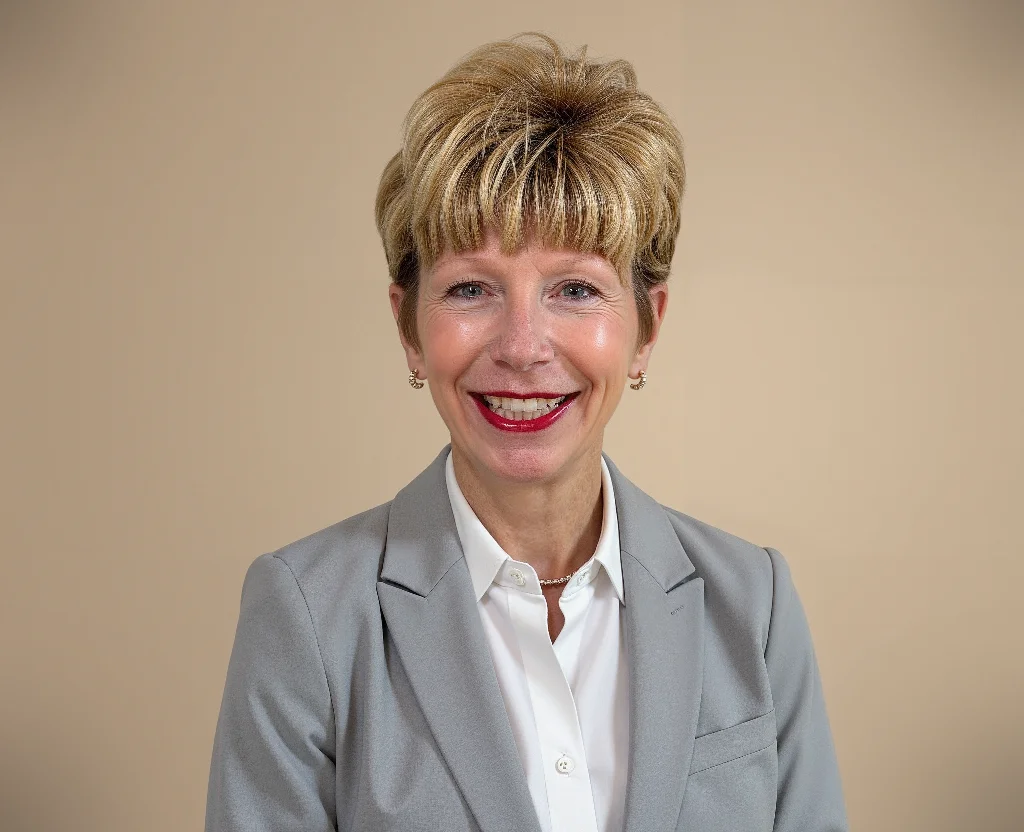
Kim Marie Phelan brings with her 36 years of legal experience. Since 1990, she has focused her practice on wills, trusts, probate, guardianship, and estate planning.
Licensed in Florida, Massachusetts, and South Carolina, Attorney Phelan is passionate about helping clients navigate complex legal matters with compassion, transparency, and professionalism. She is committed to providing clear guidance and personalized support to individuals and families as they plan for the future.
Fun Fact: Kim enjoys hiking, working out, playing golf, and spending time with her family.
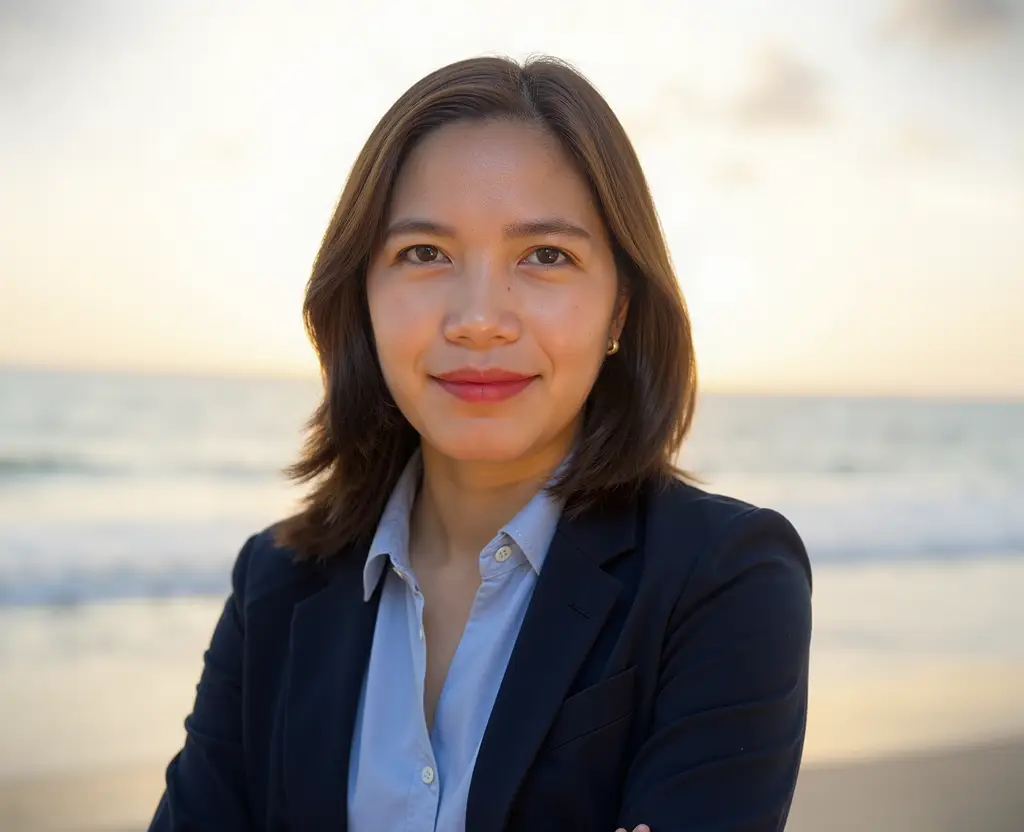
Carmel holds a Bachelor’s degree in Education and brings nearly seven years of experience as an ESL teacher, where she developed strong communication, interpersonal, and rapport-building skills. She later transitioned into the healthcare industry as a Medical Records Retrieval Representative, gaining valuable experience communicating with healthcare professionals, coordinating medical records requests, and helping her team achieve performance goals.
In addition to her professional experience, Carmel is actively involved in a volunteer organization, where she previously served as Administrative Head. This role strengthened her organizational, leadership, and coordination skills while further developing her empathy, compassion, and commitment to helping others. With a strong background in education, healthcare, administration, and client communication, Carmel is a dependable and adaptable professional dedicated to delivering quality work and making a positive impact on the people and teams she works with.
Fun Fact: Carmel enjoys exploring new hobbies and often discovers a new interest every few months—from caring for plants to her current passion for art and scrapbooking. Outside of her creative pursuits, she enjoys helping plan and organize events through her volunteer organization. She also especially enjoys connecting with the children she meets through the organization, taking the time to listen, engage in meaningful conversations, and build genuine connections with them.
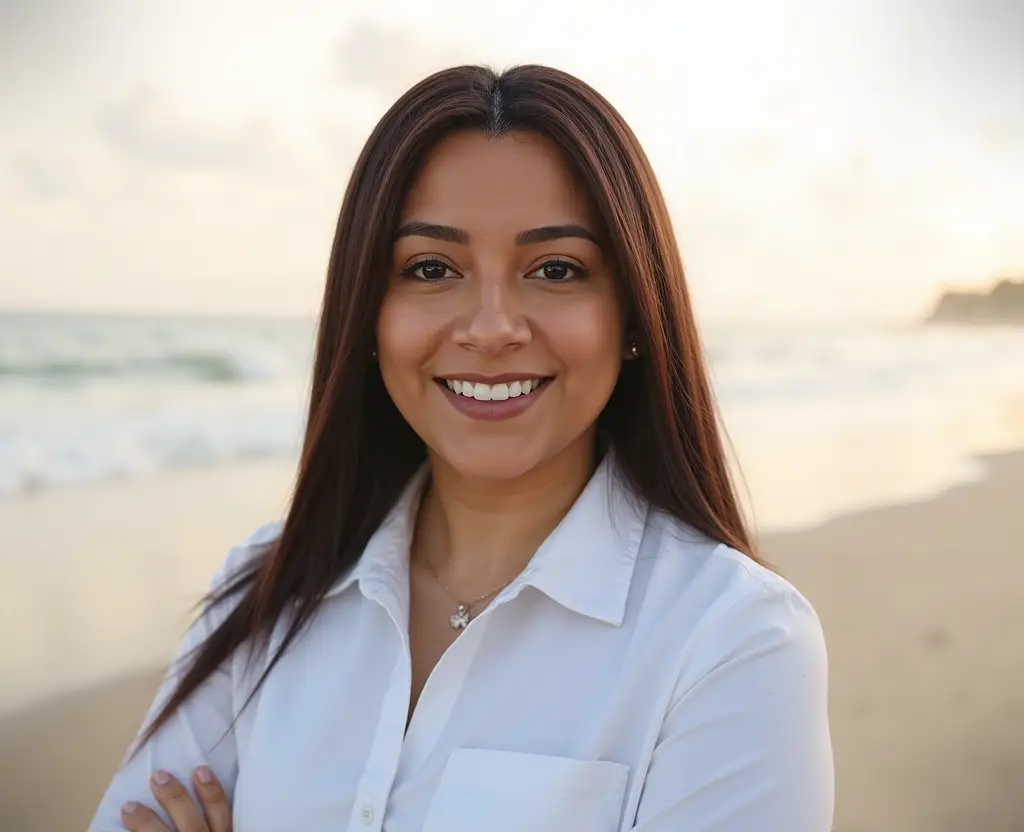
Maggie Castillo is committed to providing compassionate, high-quality client intake and operational support. With extensive experience in customer relations, administrative coordination, and workflow management, she excels at guiding clients through important processes with clarity, professionalism, and empathy. Maggie is passionate about supporting seniors, veterans, and their families while helping ensure the smooth and efficient day-to-day operations of Elderly Care Law Firm.
Fun Fact: Outside of work, Maggie enjoys singing and dancing. It’s her favorite way to stay energized, express herself, and bring positivity and enthusiasm to everything she does!

Hasmie brings over five years of experience in customer service, technical support, virtual assistance, and administrative support. She also completed undergraduate studies in Psychology, which helped develop her strong communication and interpersonal skills. Hasmie enjoys helping others, continuously learning, and creating positive experiences for every client she serves. She is excited to be part of the team and looks forward to contributing to the firm’s success while growing alongside her colleagues.
Fun Fact:
Hasmie loves talking to people and hearing their stories because she believes every conversation offers an opportunity to learn something new. She also loves butterflies, as they remind her that growth and change can lead to something beautiful.
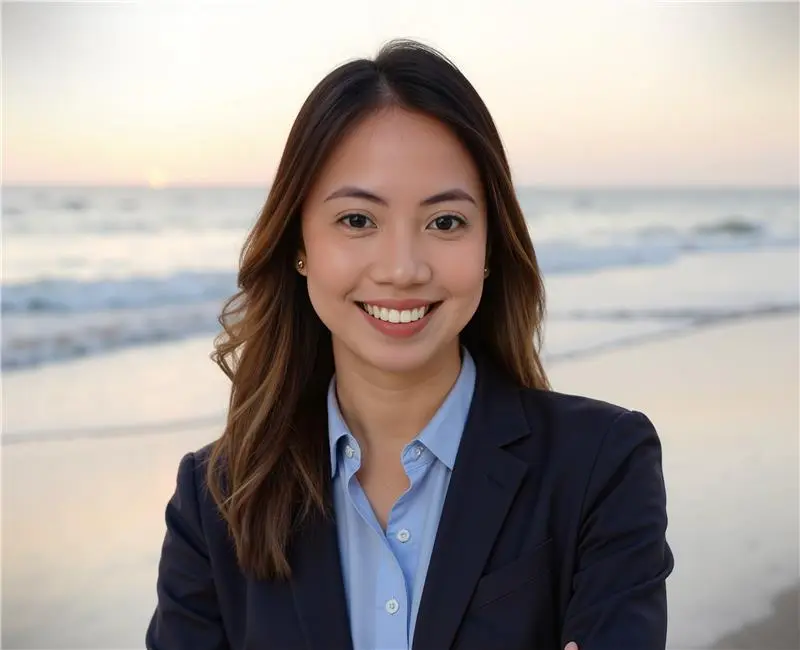
Queen is a client-focused professional with over six years of combined experience in front desk reception and virtual client support. She holds a degree in Tourism and brings a hospitality-driven mindset to every interaction. Passionate about helping others, Queen enjoys creating positive first impressions and ensuring every client feels welcomed and valued from the moment they reach out.
She has extensive experience managing appointments, handling client communications, and supporting day-to-day operations in fast-paced environments. Her positive attitude, attention to detail, and commitment to exceptional customer service help clients feel comfortable and well cared for throughout their experience with the firm.
Fun Fact:
On her days off, Queen enjoys exploring new coffee shops and planning her next travel adventure.

Sherrie Ann Lim brings over twelve years of customer service experience and a strong background in team leadership and client support. Although she holds a Bachelor of Science degree in Physical Therapy, her career path led her to the dynamic world of the contact center industry, where she discovered a deep passion for service, communication, and operational excellence.
Sherrie is known for her perseverance, enthusiasm, and confident sense of responsibility. She consistently delivers high-quality results, efficiently managing tasks while remaining flexible to the evolving needs of her clients. Her commitment to continuous improvement and excellence positions her as a trusted ally for businesses seeking proactive and reliable virtual support.
Drawing from her college background, Sherrie has a deeper understanding of the physical and emotional needs associated with aging, making her especially attuned to the importance of compassionate and informed care for the elderly. She recognizes that elder care isn’t just about physical support, it also involves emotional presence, patience, and clear communication. Her strong appreciation for family ties fuels her commitment to helping clients manage the intricacies of elder care with empathy and attentiveness, ensuring that elderly loved ones feel respected, safe, and truly cared for.
She loves taking care of her family during her rest days and free time, finding joy in the simple yet meaningful routines of home life. Whether it’s preparing home-cooked meals, baking sweet treats for her kids, or tackling household projects, Sherrie finds fulfillment in creating a nurturing and organized environment for her family. Whenever time and opportunity allow, she also enjoys traveling with her family, exploring new places, creating lasting memories, and embracing experiences that strengthen their bond and bring joy into their lives.
Fun Fact: Sherrie’s two kids were born on the exact same date—two years apart!

May began her community service career with the Philippine Department of Health as a Computer Operator, providing vital technical support to healthcare workers across island provinces and helping to bridge technology gaps in remote medical settings. Her commitment to service extended beyond her official duties—she also volunteered in medical missions, assisting indigenous communities and contributing to the delivery of essential healthcare with empathy and cultural sensitivity.
Continuing her dedication to public service, May later worked at a law firm as a Disability Service Coordinator, assisting military veterans in navigating disability services. She brought empathy, compassion, and heart to the role, ensuring that each veteran felt heard, respected, and supported throughout the process.
With a unique blend of technical expertise and human-centered care, May remains deeply committed to using her skills to uplift underserved and vulnerable communities.
Fun Fact: Despite not knowing how to swim, May is a certified open water diver. Her adventurous spirit and determination push her beyond her comfort zone—both in life and under the sea.