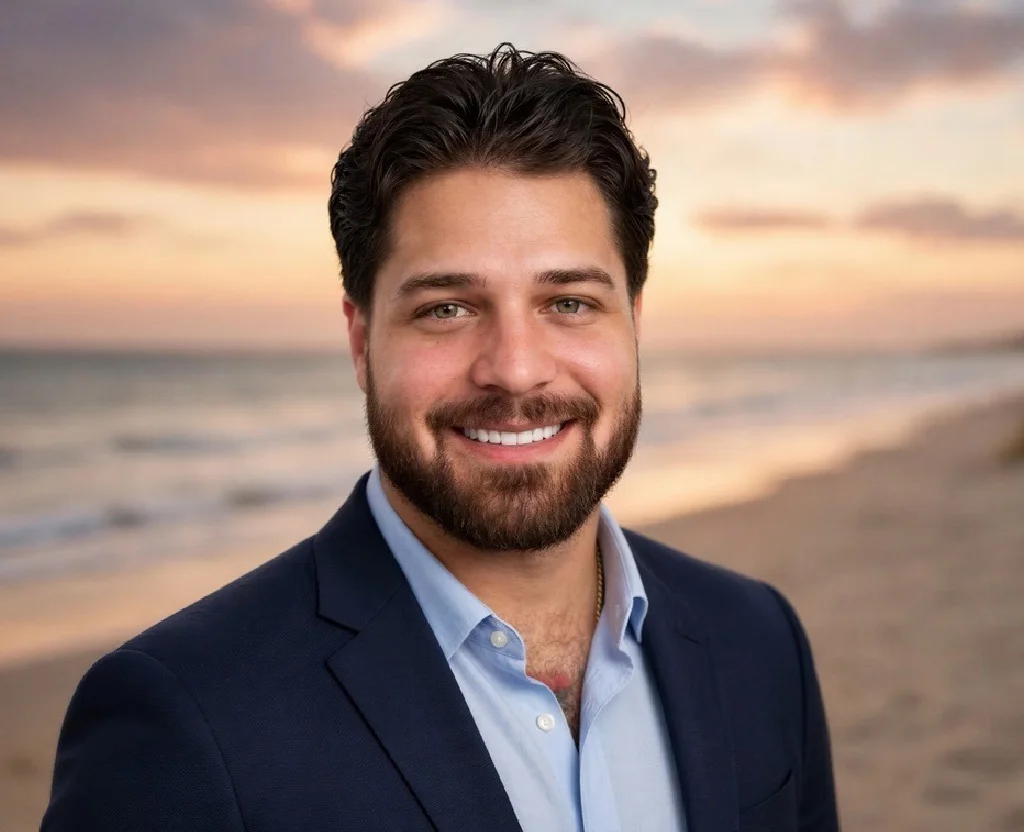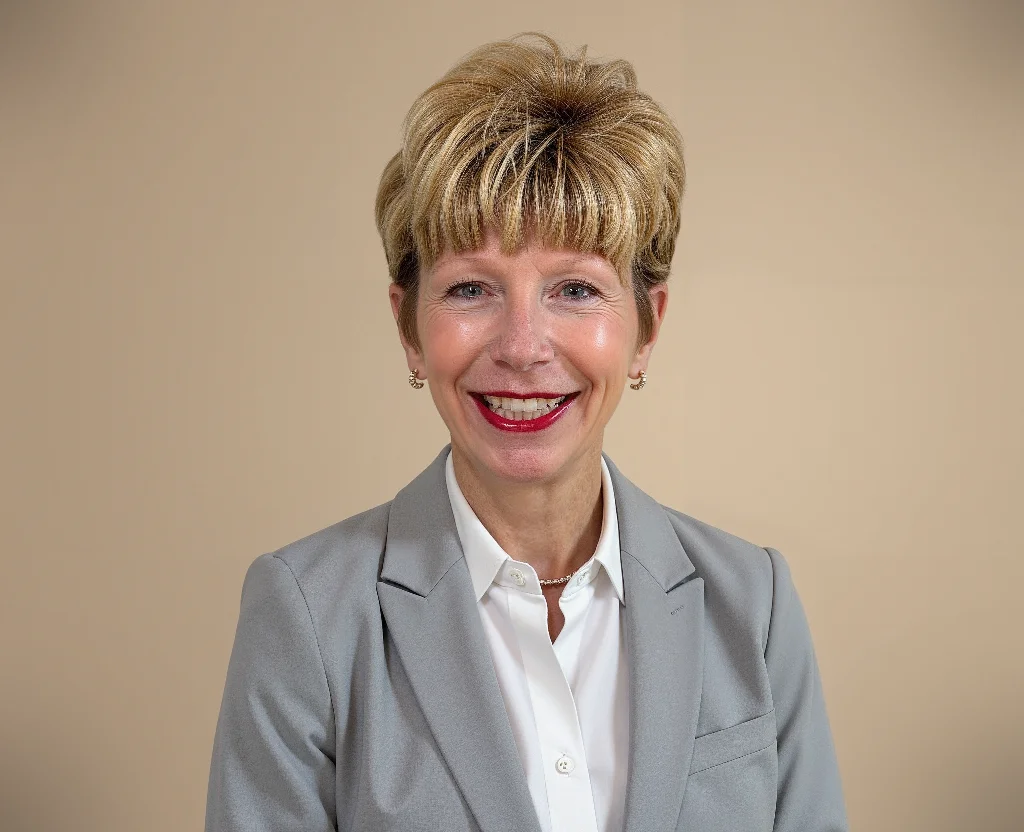







Who Is Tieesha Taylor And What Does She Focus On In Her Elder Law Practice?
Tieesha Taylor is the founder of Elderly Care Law Firm in South Florida, where she focuses on Medicaid planning, guardianship, probate, and asset protection. She helps families protect their homes and savings from the high costs of long-term care, guiding clients step by step through complex Medicaid eligibility rules and asset-preservation strategies.
Why Are Families Concerned About Losing Everything To Nursing Home Costs?
Taylor explains that nursing home care in Florida averages between $9,000 and $10,000 per month. Families fear that if a loved one requires long-term care, Medicaid will “take everything.” While this fear is common, Taylor emphasizes that it is a myth. Medicaid does not seize assets; rather, it has strict eligibility rules that determine how much an individual must spend before qualifying for coverage.
What Assets Are Exempt Under Florida Medicaid Rules?
According to Taylor, several assets are protected even when applying for Medicaid. These include the family home, one vehicle, personal belongings, and certain retirement accounts depending on how they are structured. She notes that families often mistakenly believe they must sell or give away everything, when in fact Florida law allows many important assets to remain untouched.
What Are The Biggest Myths About Paying For Long-term Care?
Taylor identifies two major misconceptions:
- Medicare covers nursing home care. In reality, Medicare only pays for short-term rehabilitation, not long-term custodial care.
- You must be completely broke to qualify for Medicaid. Taylor stresses that with proper planning, families can often preserve significant assets and still qualify for assistance.
What Is The Difference Between “Spending Down” And Medicaid Planning?
Spending down means using personal funds until assets fall below Medicaid’s threshold. Taylor cautions that this approach can quickly deplete a family’s savings. Medicaid planning, on the other hand, involves legally restructuring or repositioning assets—through strategies such as trusts, annuities, or Lady Bird deeds—so that families can qualify for Medicaid while still protecting wealth for future generations.
Can Families Protect Assets Even If They Are Already Facing A Crisis Situation?
Yes. Taylor emphasizes that it is never too late to plan. Even when a loved one is already in a nursing home, there are strategies to preserve assets. For example, she shares a real-life case where her team helped a family protect their home and savings by using Medicaid-compliant planning tools, allowing the loved one to receive care without exhausting all financial resources.
What Role Does The Five-year Look-back Rule Play In Medicaid Planning?
Taylor explains that Medicaid reviews financial transactions from the past five years to ensure no improper transfers were made to qualify. While this rule can create challenges, her firm helps families navigate it carefully, identifying safe strategies that comply with Medicaid requirements while still protecting as much as possible.
What Are The Most Common Mistakes Families Make In Long-term Care Planning?
According to Taylor, the biggest mistakes include waiting too long to plan, relying on misinformation from friends or non-lawyers, and transferring property without understanding Medicaid’s penalties. Families often make hasty decisions that jeopardize both eligibility and asset protection.
What First Steps Should Families Take If Facing Nursing Home Costs?
Taylor advises families to immediately gather financial records, seek legal counsel, and understand what assets may already be protected under Florida law. Consulting an elder law attorney ensures that families avoid costly mistakes, preserve more wealth, and gain peace of mind during a stressful time.
What Is Tieesha Taylor’s Key Takeaway For Families Worried About Nursing Home Costs?
Her message is clear: families do not have to lose everything to long-term care. With timely and informed Medicaid planning, it is possible to protect the family home, preserve savings, and still secure the care a loved one needs. Taylor encourages families to be proactive and seek professional guidance before it is too late.