






The Role Of The Long-term Care Ombudsman
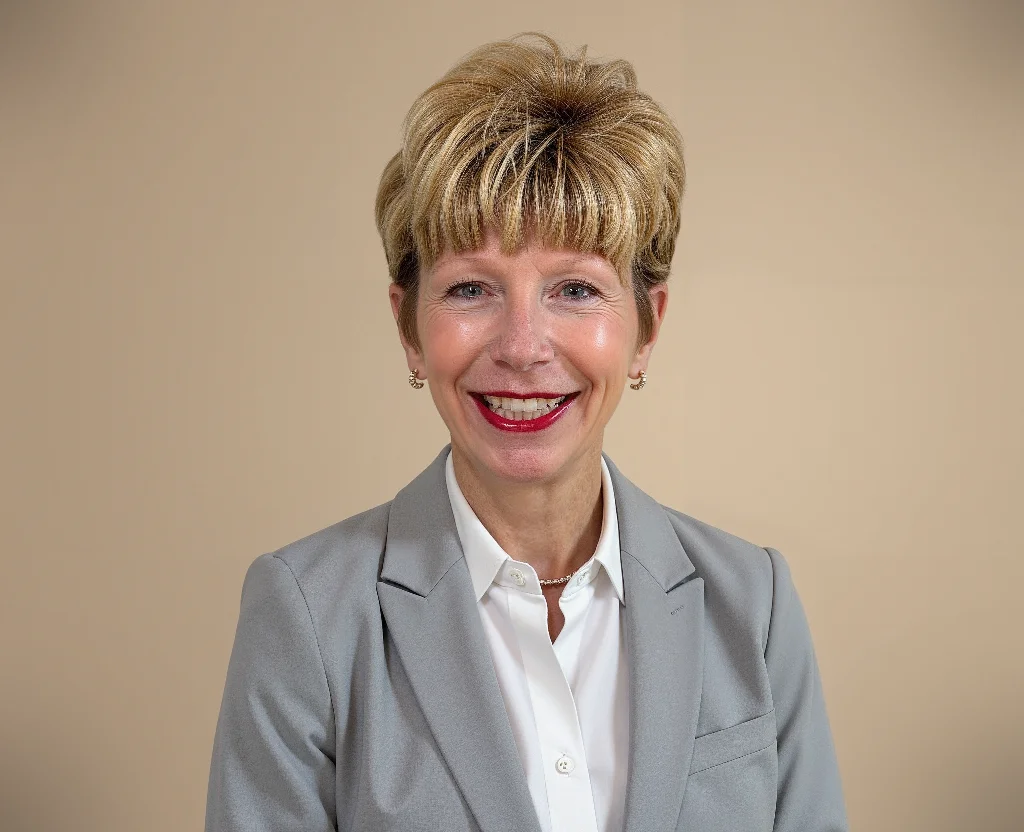
Fiorella Parasi shared how her passion for advocacy began early, inspired by caregiving within her own family. After years of experience in the field, she now oversees the North District of Miami, covering more than 10,000 residents across nursing homes, assisted living facilities, and adult family care homes.
“The Ombudsman Program exists to advocate for residents,” Parasi explained. “We make sure their concerns are heard and their rights protected.”
Her team, along with dedicated volunteers, visits facilities regularly—not just to inspect conditions but to connect directly with residents. “We don’t visit facilities,” she added. “We visit residents.”
Because only three staff members cover a large district, the program depends heavily on volunteers to expand its reach. Currently, eight committed volunteers support her team, but more are always needed.
What The Program Does And Why It Exists
The Long-Term Care Ombudsman Program traces back to the Older Americans Act introduced under President Lyndon B. Johnson and expanded under President Richard Nixon. Its mission has remained the same for decades: to be a voice for older adults and people with disabilities living in long-term care settings.
In Florida, the program operates under the Department of Elder Affairs, though it functions independently. Each ombudsman is tasked with improving quality of life for residents by protecting their rights, safety, and welfare.
“We’re advocates,” Parasi said. “Our goal is to ensure that every resident’s experience is safe, dignified, and respectful.”
Residents’ Rights: What Families Need To Know
Florida’s Resident Bill of Rights outlines many protections, but Parasi emphasized two of the most critical:
- The right to live in a safe, clean environment free from abuse and neglect, and
- The right to voice complaints or recommendations without fear of retaliation.
These rights are central to the Ombudsman’s mission. “Residents must be able to speak up,” Parasi noted. “And when they do, they deserve to be heard and protected.”
Common Complaints and How They’re Resolved
Through regular visits and direct communication, the Ombudsman team hears a wide range of complaints—from food quality and call light delays to unmet medical needs or improper discharges.
When a concern arises, the process always begins with the resident’s consent. Once granted, the team contacts the facility’s leadership—administrators, nursing directors, or social services—to address the issue.
Because of their consistent presence, Parasi said, “Facility administrators now know who we are and are willing to collaborate with us to resolve complaints effectively.”
Addressing Fear of Retaliation
For many residents and families, the biggest fear is retaliation after raising a concern. Parasi acknowledged that it does happen but explained how her team works to prevent it.
“Retaliation is real,” she said, “but our ongoing communication with both residents and staff helps us monitor and address it quickly.”
By maintaining transparency and reminding everyone involved of the resident’s legal rights, the Ombudsman Program ensures that complaints lead to solutions—not punishment.
A Story Of Advocacy In Action
Parasi recalled one case that captured the heart of their mission.
A resident spoke up during a council meeting about facility conditions. Less than a week later, he was discharged—an act that raised immediate concern for retaliation. The Ombudsman team intervened, filed an appeal hearing, and won. The resident returned to his nursing home, where he has since thrived.
“He gained weight, looked healthier, and celebrated his birthday surrounded by other residents and staff,” Parasi shared. “It reminded us why this work matters—advocacy truly changes lives.”
What Caregivers Can Do Right Now
For families wanting to ensure their loved one is protected, Parasi offered clear advice: get involved.
“Facilities should feel the presence of relatives,” she said. “Regular visits, attending care meetings, and staying informed about medication changes make a big difference.”
She also encouraged caregivers to observe care quality during different shifts and to contact the Ombudsman Program if something seems wrong. “We’re here to listen, to advocate, and to make sure every resident receives the care and respect they deserve.”
Learn More
To reach the Florida Long-Term Care Ombudsman Program, families can call 1-888-831-0404 or look for the Ombudsman poster in any licensed care facility.
For legal guidance on elder care, Medicaid planning, or guardianship, contact Elderly Care Law Firm at 305-836-4697 or visit elderlycarelawfirm.com.